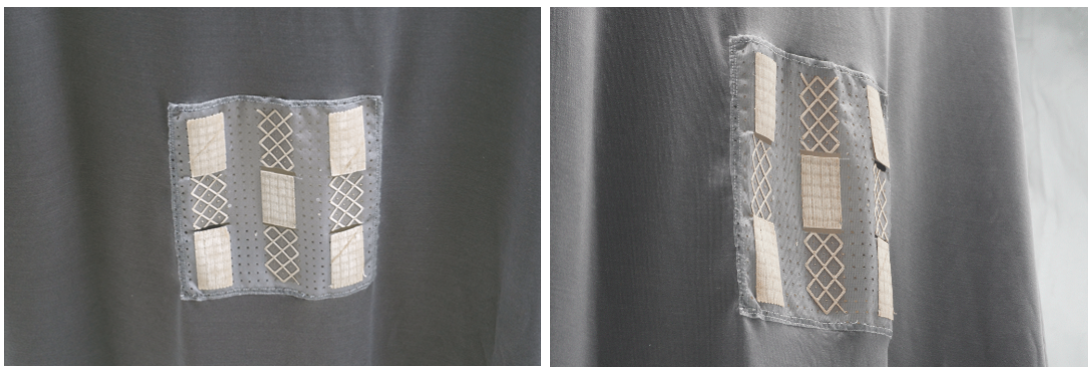
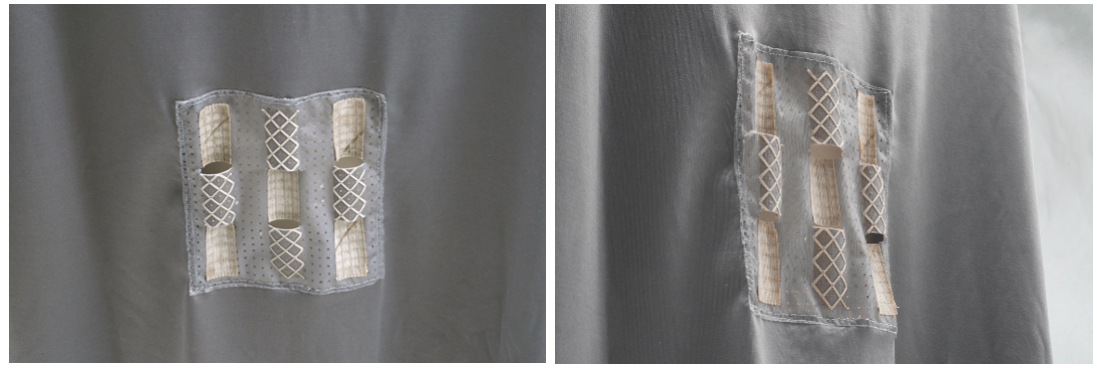
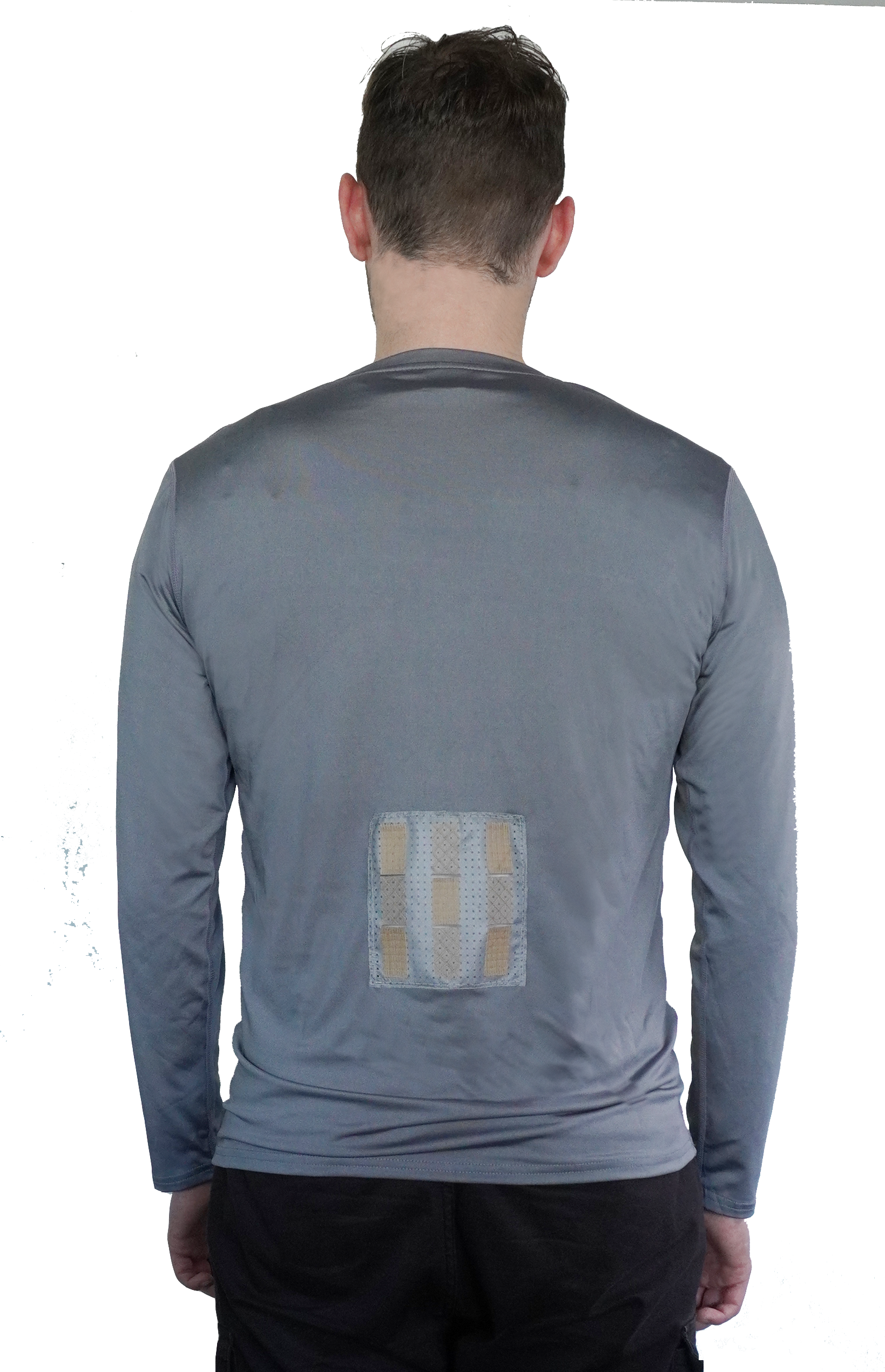
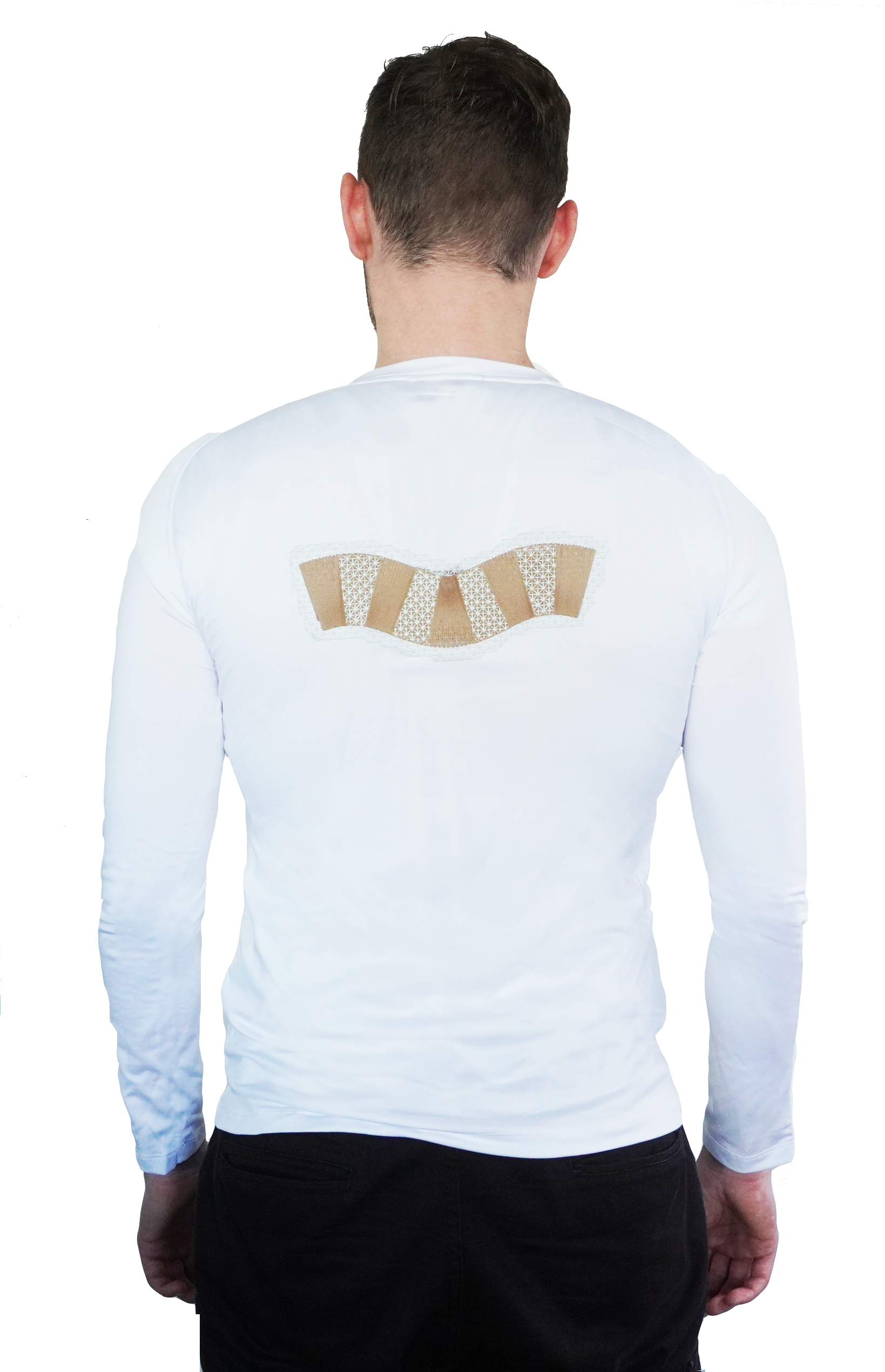
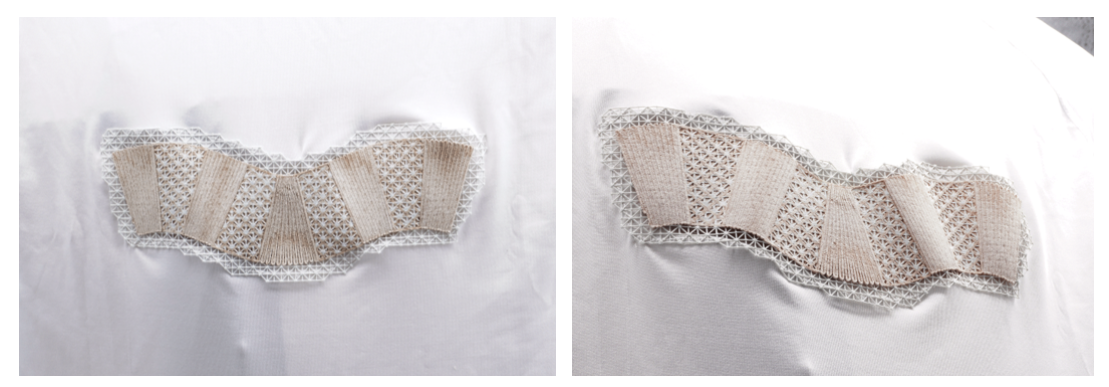
This project explored self-regulating, high-performance apparel through bio-based, hygroscopic 4D-printed textile hybrids. Through iterative testing of novel moisture-responsive filaments on different fabrics, adaptive geometries were developed that open in response to body sweat, enhancing ventilation, comfort, and tactile texture during strenuous exercise. These mechanisms and printing strategies were inspired by biological design principles found in natural fiber structures, such as the pinecone, whose scales open and close in response to humidity.
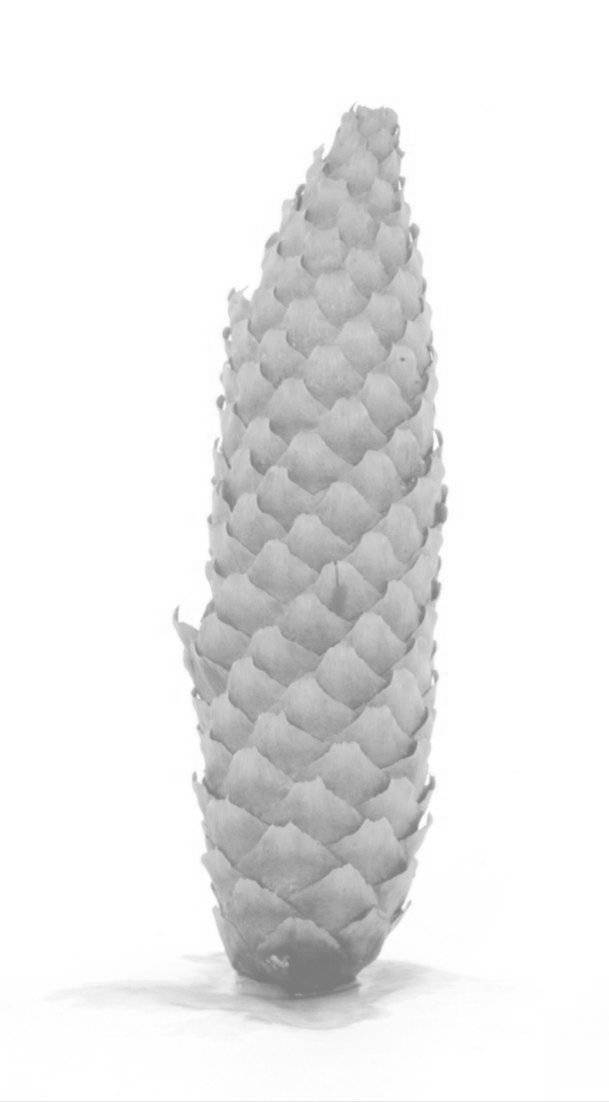
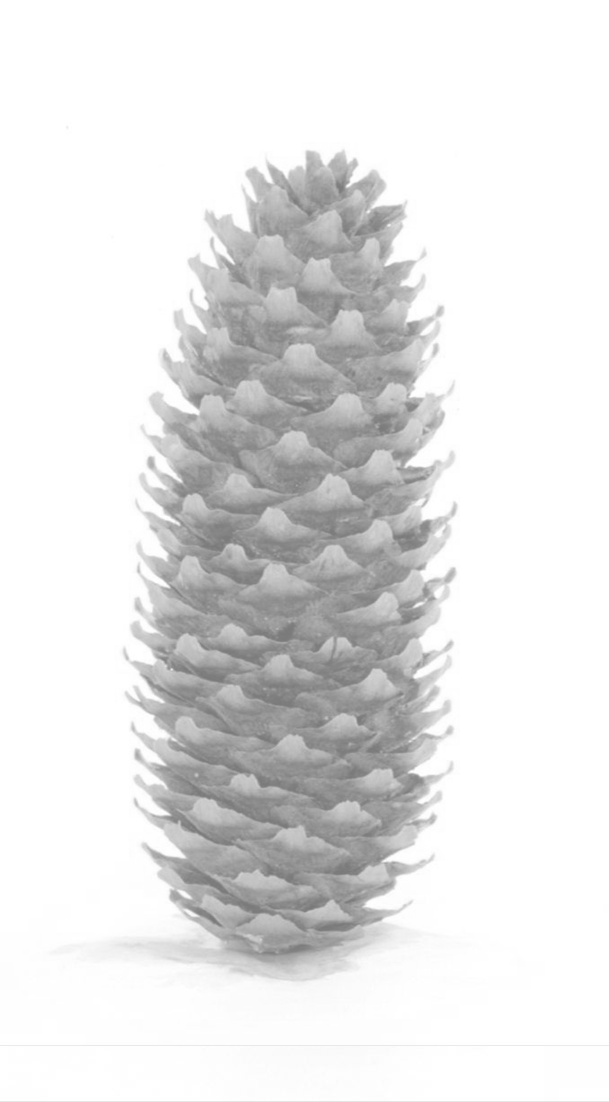
Parametric design allowed precise control over shape change, while printing parameters were optimized for reliable activation. By integrating autonomous, material-driven ventilation mechanisms into wearable textiles, this research demonstrates a systematic approach to smart clothing and advances the field of adaptive, responsive performance apparel.
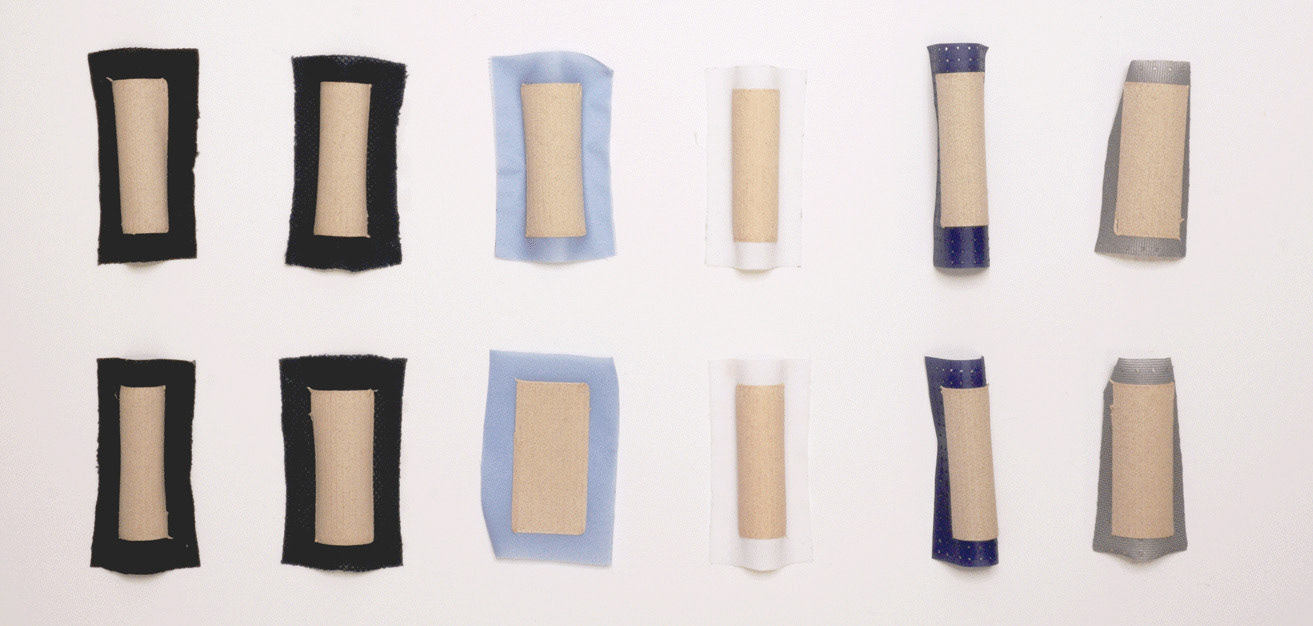
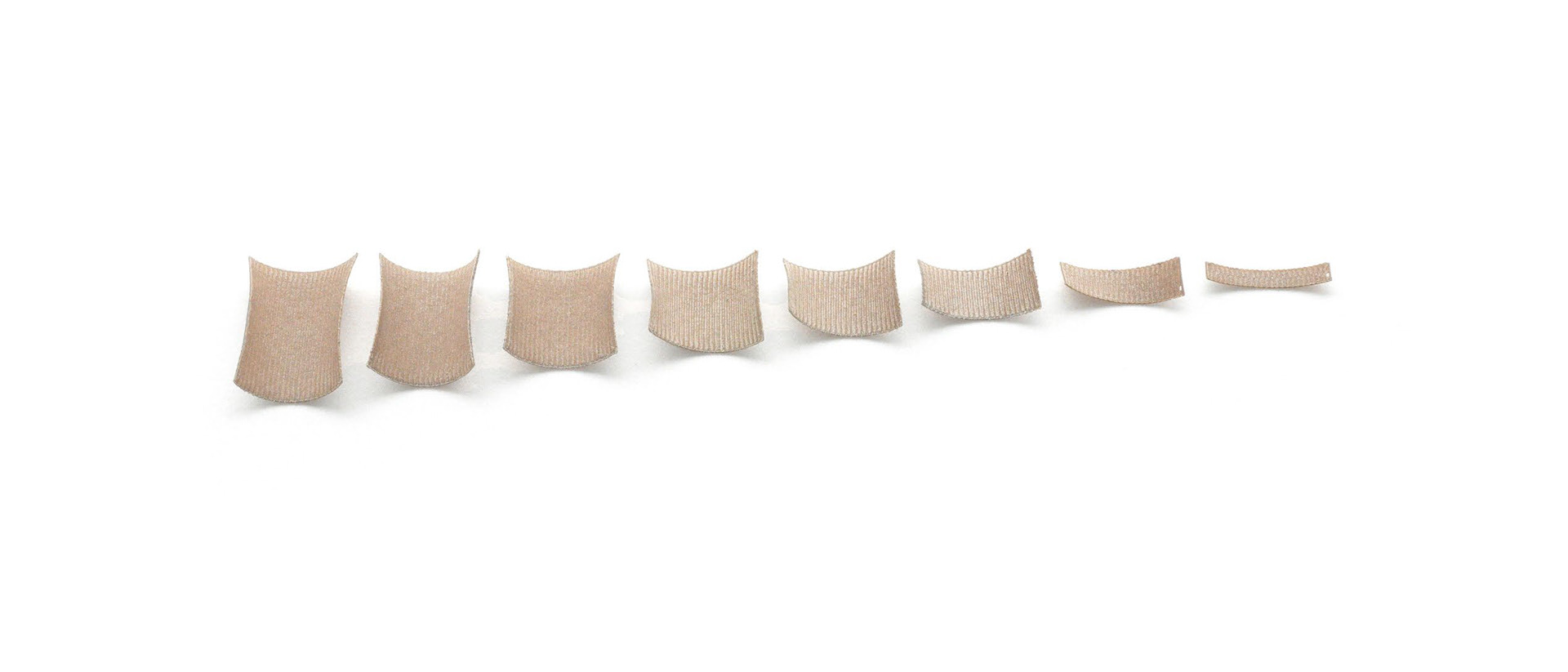
The appropriate placement of adaptive interventions on the human body were studied and identified. Final demonstrators explored ways to incorporate printed mechanisms into existing performance apparel. Two mechanisms were explored for adaptive response, for the purpose of 1) adaptive opening slits for ventilation and 2) texture change via rippling/wrinkling fabric to reduce discomfort from wet textiles.